
Chat with Brikxtie

If you love wild landscapes, quiet luxury, and experiences that feel “rare” (not crowded, not commercial), the Dudhwa–Pilibhit belt in Uttar Pradesh deserves your attention. This region—stretching through the Terai along the India–Nepal border—has started showing up on the radar of wildlife photographers, birders, and families who want something more meaningful than a typical weekend getaway.
So why is this belt becoming a premium travel destination now? It’s a mix of wildlife credibility, eco-tourism experiences, scenic water bodies, and improving connectivity—with places like Dudhwa National Park, Pilibhit Tiger Reserve, and Chuka Beach making a compelling circuit.
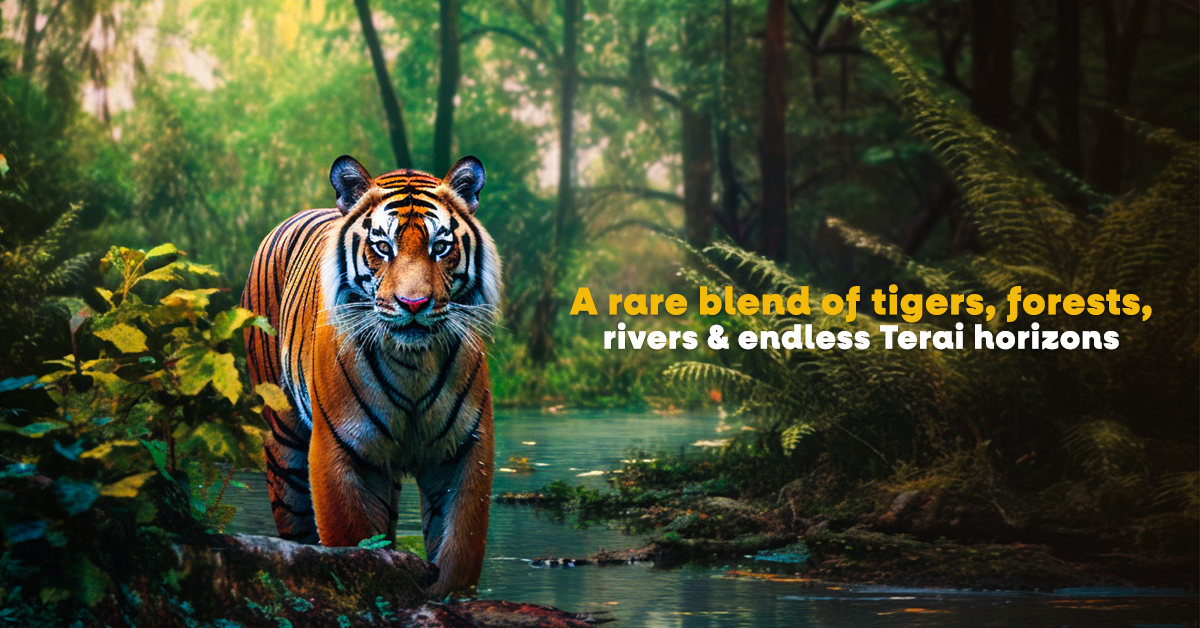
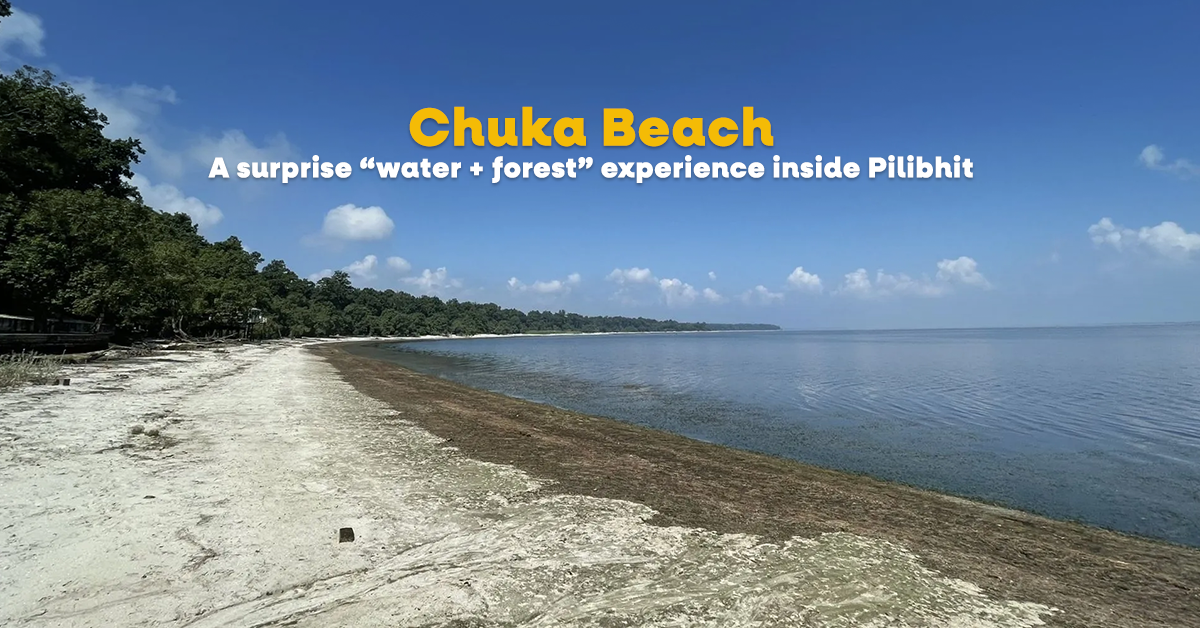
Most popular tiger destinations in India are either heavily visited or feel “known.” The Dudhwa–Pilibhit belt feels different because of its Terai Arc landscape—a unique blend of sal forests, tall grasslands, wetlands, and river systems. The setting itself feels premium: it’s greener, quieter, and more immersive than many mainstream safari circuits. This region isn’t just about chance tiger sightings. It’s about a fuller nature experience: Long drives through sal forests Misty mornings and open grasslands Birding near wetlands Calm river edges that make you slow down That’s exactly what premium travellers are buying today: space, silence, and authenticity. Dudhwa has a solid reputation in North India’s wildlife circuit. It’s open for visitors in a defined season—typically from 15 November to 15 June—and the best months are usually November to April for comfortable weather and good forest access. Pilibhit Tiger Reserve is another strong anchor—and a key reason this belt is rising fast. The official Uttar Pradesh eco-tourism information highlights Pilibhit’s Terai Arc setting, sal forests, and the Sharada river landscape. Premium travellers love circuits where you can do two different reserves in one trip—because it increases the “value” of the journey without making it feel rushed. A big reason this belt is getting attention is Chuka Beach—an ecotourism spot within the Pilibhit Tiger Reserve. Chuka is described as being on the banks of the Sharada River, with the Sharda Sagar reservoir creating a scenic landscape surrounded by forest. It’s known for nature stays (including huts) and activities like photography, birdwatching, nature trails, and safari access. This is what makes Chuka special for premium travel: It doesn’t feel like a typical “park + hotel” trip The waterbody adds a relaxed, resort-like vibe. You can enjoy forest views, calm evenings, and early safaris—without a chaotic tourist market. Note: tourism activities can change based on regulations and conservation rules, so always check the latest updates before planning specific activities (for example, motorboat operations have faced restrictions in recent coverage). The Dudhwa–Pilibhit belt fits this shift perfectly. Instead of “more luxury,” people want more meaning: mindful travel nature immersion wellness in quiet settings low-noise, low-crowd experiences Even policy-level moves in the region show a push towards structured eco-tourism access (transport support, controlled tourism, and conservation-first rules). One reason destinations become premium is simple: they become easier to reach. For Dudhwa, rail and road access are clearly documented (including connectivity via Dudhwa railway station and season timing). For Pilibhit Tiger Reserve, official information notes road connectivity via highways and state highways, along with the nearest airport/rail points. As roads improve and travel becomes smoother, more people are willing to do 2–4 day trips—especially families and working professionals who want a “big experience” without taking a long vacation. Here’s a practical, high-value circuit that many travellers now prefer: Reach Dudhwa/Palia/Pilibhit side (based on your stay) Sunset walk, local food, early sleep Morning jungle safari (best light, higher wildlife activity) Relax midday (heat can build up in summer months) Evening safari is open/available. Dudhwa safari timings and seasons are typically structured. . Scenic time near the reservoir/forest edge Photography + birdwatching Departure The beauty here is balance: wildlife + water + forest quiet—without feeling rushed. Best time to visit (and what to expect) For Dudhwa, official guidance commonly points to November–April as the best period, and the reserve is generally open from mid-November to mid-June, with monsoon closure. Winter mornings can be chilly (layers help) Summers can be hot; plan morning safaris and hydrate. The Dudhwa–Pilibhit belt is emerging as a premium destination because it offers what modern travellers want: credible wildlife (not just a picnic spot) eco-tourism + forest stays a unique water-and-forest experience at Chuka low-crowd, high-nature value improving access and structured tourism seasons It’s not trying to compete with overdone destinations. It’s carving its own space: quiet, wild, and high-value. Typically, November to April is considered the best time, and the reserve is commonly open from 15 November to 15 June, with a monsoon closure. Chuka is an eco-tourism site associated with Pilibhit Tiger Reserve, located near the Sharada River (Sharda Sagar reservoir) landscape, known for nature stays and wildlife-linked experiences. Official UP eco-tourism information lists Lucknow airport as a primary air gateway (approx. 230 km) and Pilibhit Junction as a nearby railhead, with highway connectivity.2) Two strong anchors: Dudhwa National Park + Pilibhit Tiger Reserve

Dudhwa National Park (Dudhwa Tiger Reserve)
Pilibhit Tiger Reserve
3) Chuka Beach: a surprise “water + forest” experience inside Pilibhit
4) Eco-tourism is becoming the new premium travel category
5) Better access is turning it into a practical weekend/short-break destination
6) A premium itinerary that actually feels premium (2–3 days)
Day 1: Arrival + slow evening
Day 2: Wildlife safari day
Day 3: Chuka Beach + nature trails
Best season
What to pack
Why this belt is “premium” in 2026 (the simple summary)
FAQs (SEO-friendly)
Q1. What is the best time to visit Dudhwa National Park?
Q2. What is Chuka Beach in Pilibhit?
Q3. How do I reach Pilibhit Tiger Reserve?